- July 1, 2026
- Charging Infrastructure, Innovation
- 0 Comments
EV Charging in Accra, Ghana: The Infrastructure Powering the Future of Mobility
As electric vehicles (EVs) continue to gain traction in Ghana, one question remains at the center of the conversation: Where can drivers charge their vehicles? While EV adoption is still in its early stages, Accra is gradually developing the charging infrastructure needed to support a growing number of electric cars, buses, motorcycles, and commercial fleets.
A Growing Charging Network
Over the past few years, Ghana has seen increased investment in electric mobility. Alongside the arrival of brands such as BYD, XPENG, Wahu Mobility, and other EV companies, charging infrastructure has also begun to expand.
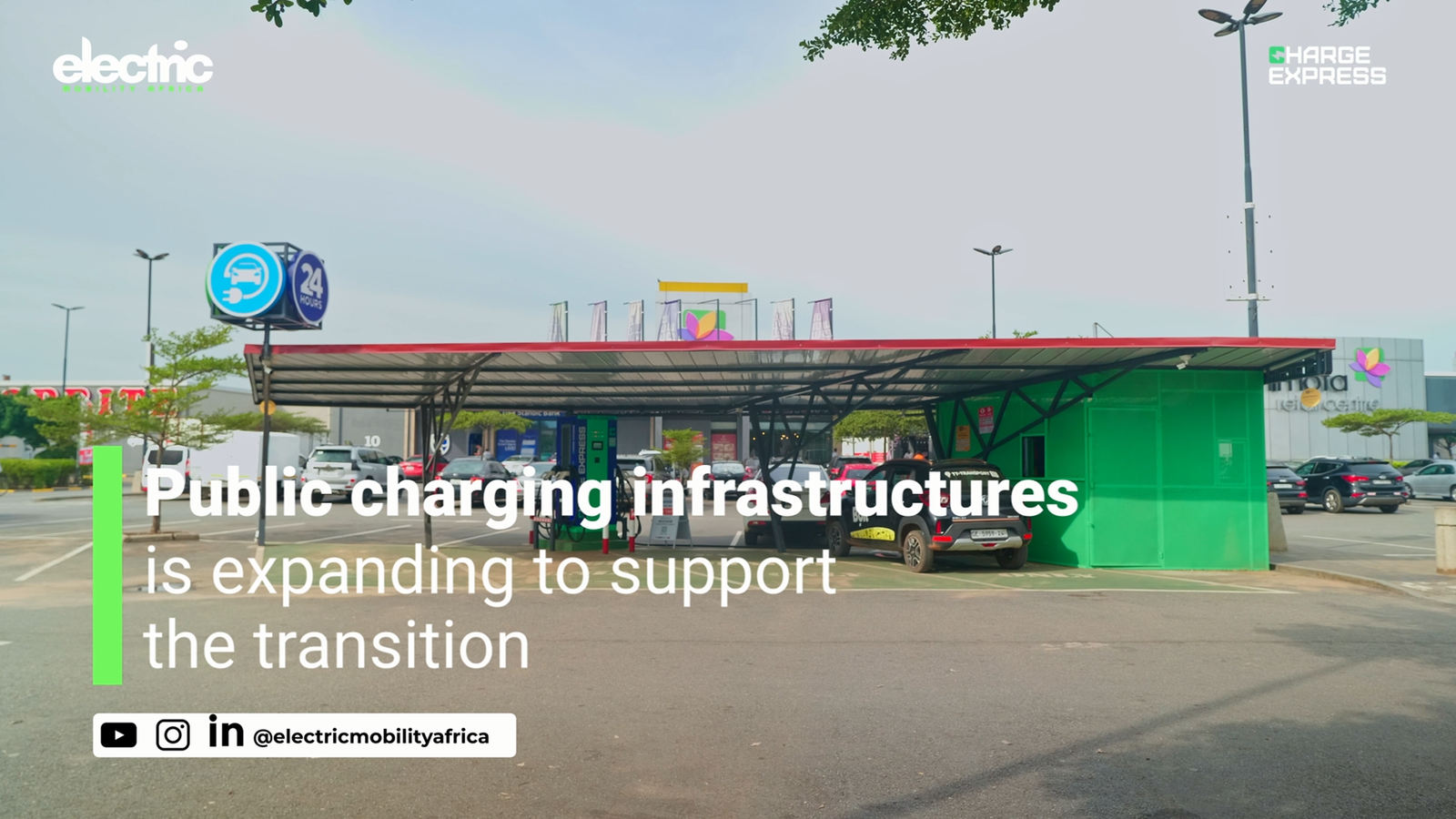
Today, drivers can access charging stations at selected commercial locations, corporate premises, and EV dealerships across Accra. These stations are helping build confidence among current and future EV owners by making charging more convenient and accessible.
Home Charging: The Most Common Option
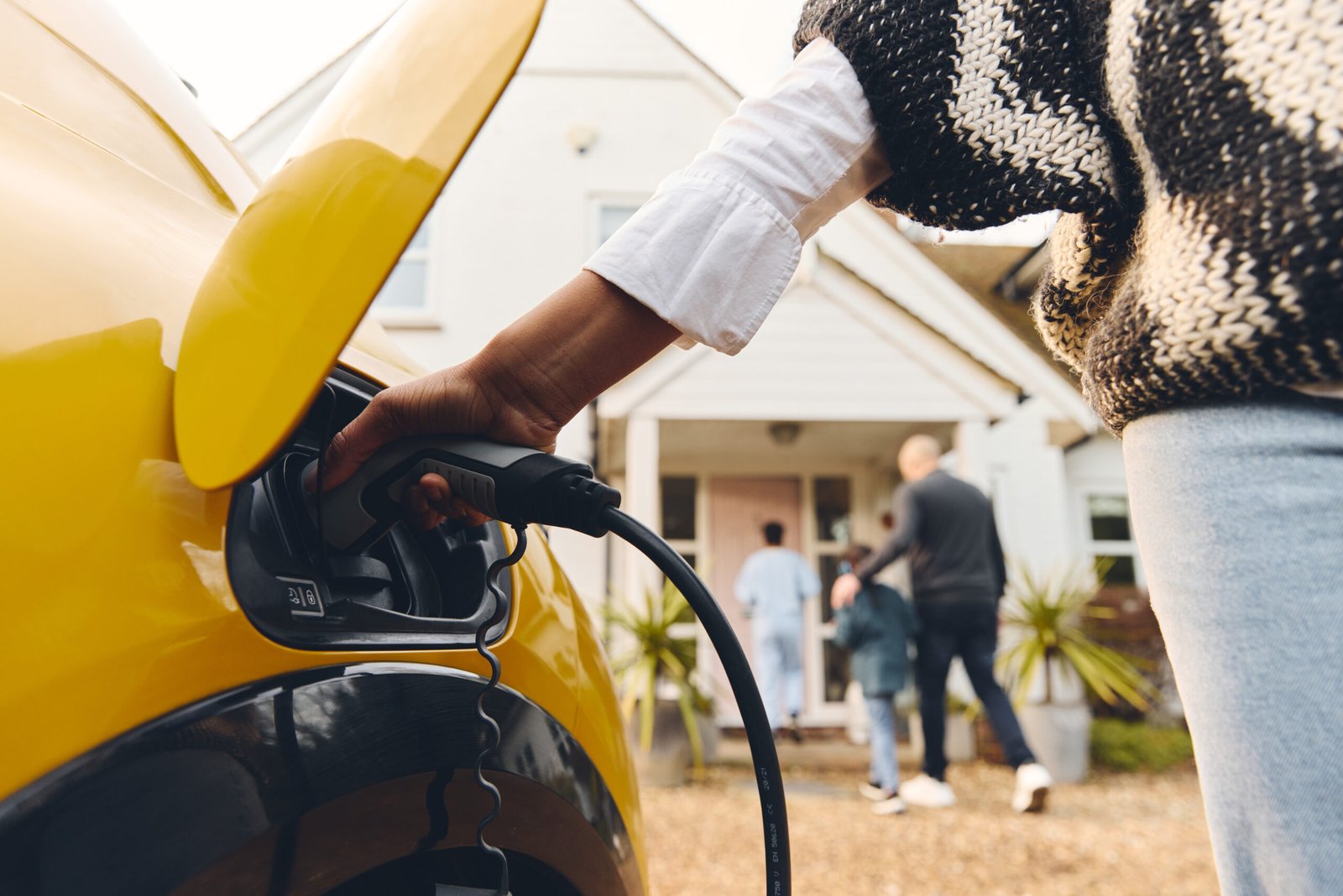
For many EV owners in Ghana, home charging remains the most practical solution. Most modern electric vehicles can be charged overnight using a dedicated home charging unit, allowing drivers to start each day with a fully charged battery.
This convenience eliminates regular trips to petrol stations and makes electric vehicles particularly attractive for daily commuters and business owners.
Public Charging is Expanding
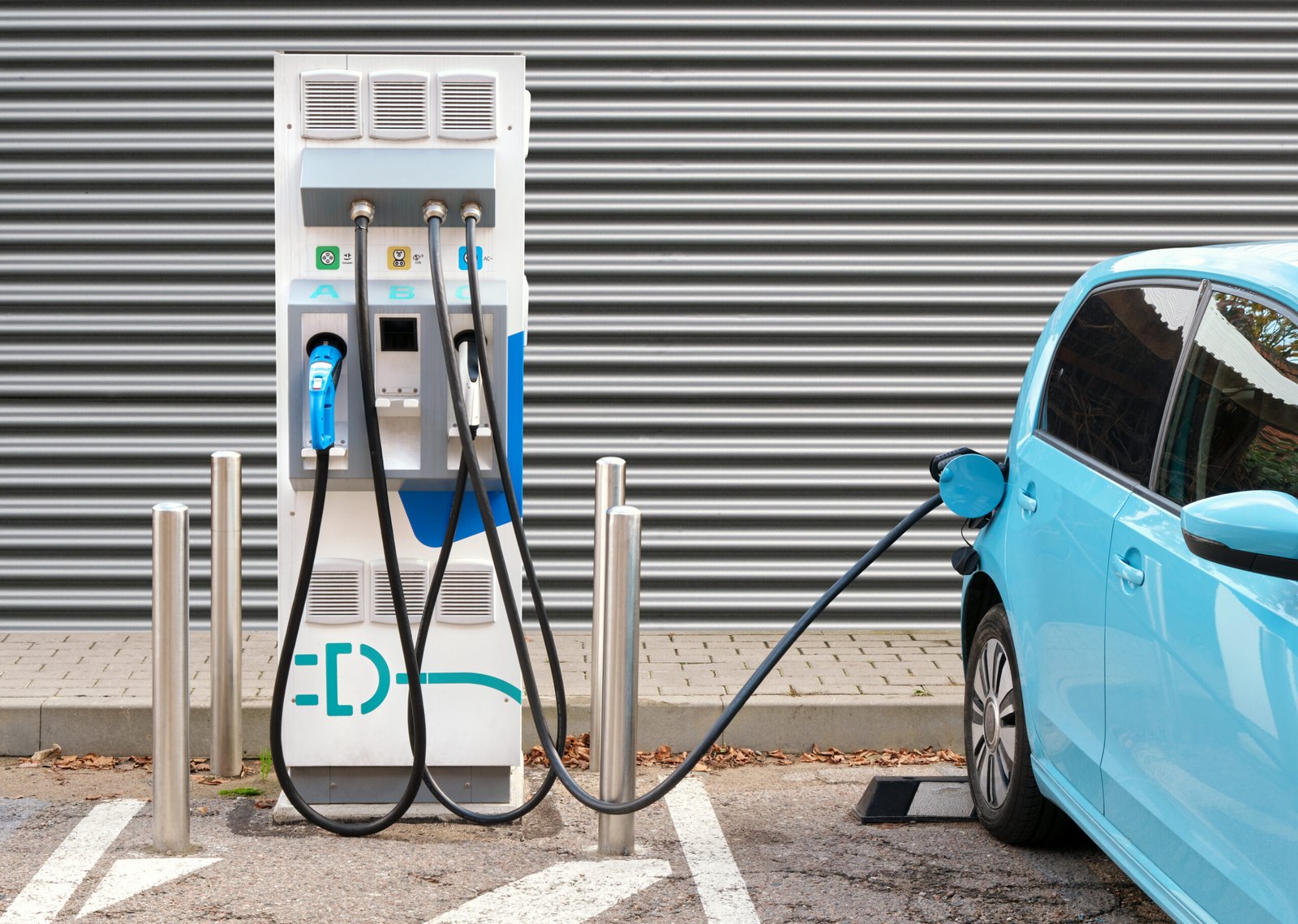
Public charging stations are becoming an important part of Ghana’s EV ecosystem. Locations such as shopping malls, dealerships, and commercial centres are beginning to introduce charging facilities, giving drivers more flexibility during longer journeys or busy workdays.
As more electric vehicles enter the Ghanaian market, investment in public charging infrastructure is expected to accelerate.
Why Charging Infrastructure Matters
Reliable charging infrastructure is one of the key factors influencing EV adoption. A well-distributed charging network helps:
- Increase driver confidence.
- Support commercial and delivery fleets.
- Encourage businesses to transition to electric vehicles.
- Reduce concerns about vehicle range.
- Strengthen Ghana’s clean transportation ecosystem.
Charging infrastructure is not just about powering vehicles it is the foundation that enables the wider adoption of electric mobility.
What the Future Looks Like
Ghana’s electric mobility journey is only beginning. As government policies, private investment, and consumer awareness continue to grow, charging infrastructure will play an increasingly important role in shaping the country’s transportation future.
The combination of home charging, expanding public charging stations, and innovations in battery technology is making electric vehicles a practical option for more Ghanaians than ever before.
Electric Mobility Africa’s Perspective
At Electric Mobility Africa, we believe charging infrastructure is one of the most important indicators of EV market growth. Every new charging station represents more than just a place to recharge it signals increasing confidence in the future of electric transportation.
As we continue documenting the people, companies, and innovations driving Africa’s EV transition, we’ll keep tracking the development of charging infrastructure across Ghana and the continent.
The future of transportation is electric, and the infrastructure powering that future is already taking shape.