- By electricmobilityafrica
- September 17, 2026
- Blog
- 0 Comments
What If Ghana Made Electric Cars Cheaper? Lessons From Norway’s EV Revolution
Norway didn’t simply ask people to buy electric cars. It changed the economics of buying one. Could Ghana do something similar?
If you want to understand why Norway became the world’s most successful electric vehicle market, it is tempting to point to wealth, environmental awareness or the popularity of Tesla.
But there is another part of the story that is harder to ignore: government policy changed the price equation.
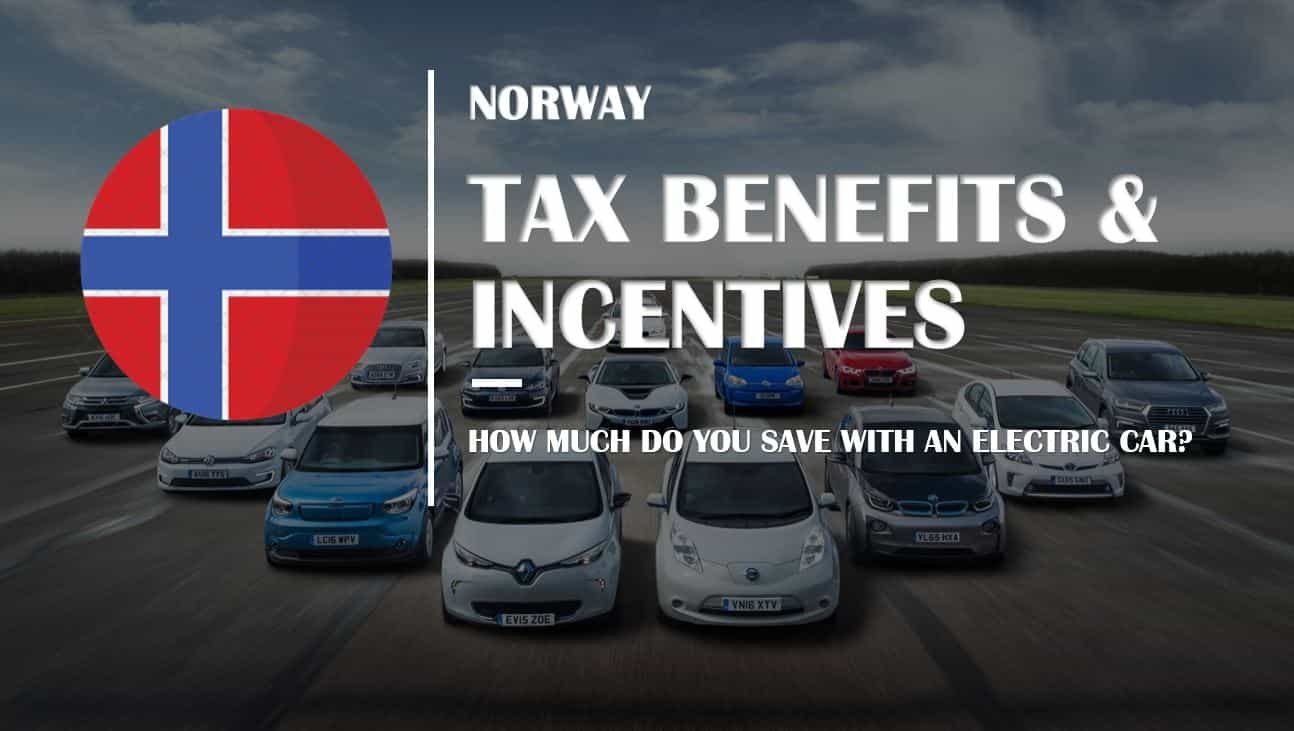
For years, Norway used taxes, exemptions and other incentives to make electric vehicles financially more attractive than petrol and diesel vehicles. The result was dramatic. By the end of 2024, electric vehicles accounted for 88% of new passenger-car sales in Norway, while EVs represented 28% of the total passenger-car fleet. Norway’s government itself attributes much of this adoption to a combination of taxation rules and incentives.
So it raises an interesting question for Ghana:
What would happen if Ghana made electric vehicles significantly cheaper to import and buy?
Not through a blanket subsidy. Not by forcing people to buy EVs.
Simply by changing the tax and import system so that an electric vehicle could compete more directly with its petrol or diesel equivalent.
Norway changed the economics
Norway’s EV strategy was built around a simple idea: if the government wants people to choose a cleaner technology, it can make that choice financially easier.
Electric vehicles benefited from measures including VAT advantages and lower or exempted charges, while petrol and diesel vehicles faced comparatively higher registration and other taxes. Norway’s government says its fossil-fuel vehicles are subject to CO₂-related taxation and relatively high registration taxes, while EVs received significant tax advantages.
The policy was not limited to one tax.
It affected the overall cost of owning and using a vehicle.
And the results became increasingly visible.
Norway’s 2026 policy is already beginning to scale back some of these incentives because EVs have become so dominant. The VAT benefit for electric cars was reduced from a NOK 500,000 threshold to NOK 300,000 in 2026, with the government announcing that the benefit is planned to be removed entirely from 2027. At the same time, Norway has increased registration taxes on combustion vehicles to maintain incentives for zero-emission vehicles.
That tells us something important.
The policy was not designed to make EVs permanently dependent on government support. It was designed to change the market until the market itself changed.
Ghana is already experimenting with EV incentives
Ghana is not starting from zero.
The country launched its National Electric Vehicle Policy in 2023. The policy is structured in phases, with the 2024–2026 period focused on addressing barriers to EV adoption, followed by a 2027–2035 phase aimed at accelerating the transition. The policy sets a target of around 35% EV penetration by the end of 2035 and aims for no new petrol or diesel vehicles to be sold or imported after 2045.
Ghana has also introduced specific tax measures.
The 2024 Budget announced an eight-year waiver of import duties for electric vehicles designated for public transportation. It also provided for import-duty exemptions on semi-knocked-down and completely-knocked-down EVs imported by registered EV assembly companies in Ghana.
The Transport Ministry later stated that the VAT exemption for electric vehicles imported for public transportation had been implemented and was part of the incentives being developed during the first phase of the national EV policy.
But there is a major distinction.
These incentives do not amount to a broad tax advantage for every Ghanaian who wants to import an electric car.
According to the Ghana Revenue Authority’s current vehicle-importation information, passenger vehicles are generally subject to import duty based on their classification and, for conventional petrol and diesel cars, engine capacity. GRA lists rates of 5%, 10% and 20% for different petrol and diesel passenger-car categories.
For fully electric passenger cars, Ghana’s tariff treatment has historically been much less favourable than Norway’s. The U.S. Department of Commerce’s Ghana market information identifies a 20% tariff for electric passenger cars under tariff line 8703801900 for imports from MFN trading partners.
That means the policy question in Ghana is not simply:
“Should we support EVs?”
Ghana has already answered that question with its National EV Policy.
The more interesting question is:
“How strongly should the tax system favour the transition?”
What if Ghana changed the equation?
Imagine two vehicles arriving at Tema.
One is a petrol SUV.
The other is a comparable electric SUV.
The electric vehicle may have lower operating costs over its lifetime, but its upfront purchase price can still be significantly higher. Import taxes and other charges can widen that gap.
Now imagine a different policy.
Instead of applying broadly similar import treatment, Ghana creates a system where electric vehicles receive a meaningful reduction in import duties and selected taxes, while higher-emission vehicles retain their existing tax burden.
The difference would not necessarily make every EV cheap.
But it could reduce the initial price barrier.
And that matters because the upfront price is one of the biggest obstacles to EV adoption.
Ghana’s own electric-vehicle baseline research examined the effect of reducing EV import tariffs. In one model, reducing the import tariff from the then-prevailing 20% to zero shortened the estimated time for a Hyundai Kona Electric to reach cost parity with an internal-combustion equivalent from 16 years to 14 years under the assumptions used. The report also found that lower financing costs could have a much larger effect on the economics of EV ownership.
The lesson is not that a zero-duty policy would automatically create an EV boom.
It is that tax policy can materially change the economics of the transition.
But Ghana is not Norway
This is where the comparison becomes more complicated.
Norway has a much higher income level, a different vehicle market, a different electricity system and a very different fiscal capacity.
Ghana cannot simply copy Norway’s policy and expect Norway’s results.
There is also a major question about government revenue.
Every tax exemption has a cost.
Norway’s government estimates that its EV-related car-tax advantages represented a substantial loss of tax revenue. For 2025, it estimated approximately NOK 50 billion in lost car-related tax revenue compared with the 2007 tax level.
For Ghana, where import taxes and levies are important sources of government revenue, a blanket exemption could therefore create a significant fiscal trade-off.
The question becomes:
How can Ghana reduce the cost of EV adoption without simply giving away large amounts of tax revenue?
A Ghanaian version could look different
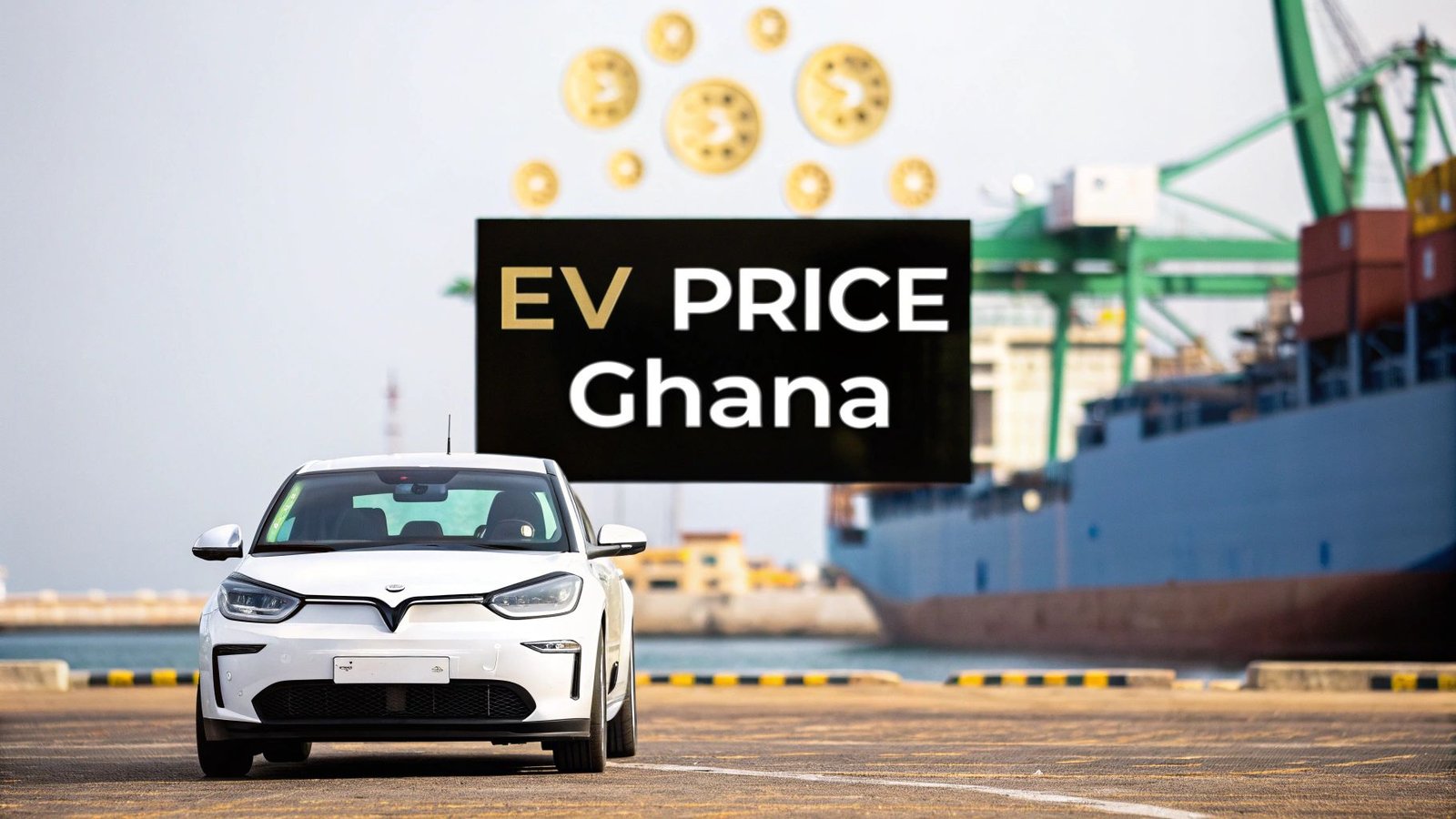
Rather than copying Norway, Ghana could design a policy around the realities of its own transport market.
For example, incentives could be targeted at the areas where electrification could create the biggest economic impact.
1. Commercial vehicles
Taxi operators, ride-hailing drivers, delivery companies and fleets put large numbers of kilometres on their vehicles.
If an EV costs more upfront but saves significantly on energy and maintenance, high-mileage commercial users may have a stronger economic case for switching.
Ghana could therefore create stronger incentives for commercial EVs while gradually expanding incentives for private vehicles.
2. Electric motorcycles and three-wheelers
This could be particularly important.
Ghana’s mobility system includes large numbers of motorcycles and three-wheelers used for commercial activity.
Reducing import taxes on electric versions, battery-swapping equipment and components could help build a local electric mobility ecosystem rather than focusing exclusively on passenger cars.
3. Local assembly
Ghana has already linked EV incentives to local assembly.
The 2024 Budget provided import exemptions for SKD and CKD electric vehicles imported by registered EV assembly companies. The 2025 Budget also proposed amendments to the Customs Act to provide concessions for domestic manufacture of two- and three-wheeled electric vehicles under the Automotive Development Programme.
That approach could eventually shift Ghana from simply importing electric vehicles to building an industry around them.
4. Financing
This may be just as important as import duty.
A GHS 200,000 vehicle does not become affordable simply because its running costs are low.
If buyers cannot access affordable financing, the lower operating cost may not matter.
A serious Ghanaian EV strategy could therefore combine tax incentives with:
-
Green vehicle loans
-
Lower-interest fleet financing
-
Rent-to-own models
-
Battery-as-a-service
-
Commercial EV financing
-
Insurance products designed for EVs
The goal would be to reduce both the purchase-price barrier and the monthly cost of ownership.
What would happen to the car market?
This is where things get interesting.
If Ghana made EVs significantly cheaper, several things could happen.
More dealers might start importing them.
More Chinese, European and other manufacturers could look at Ghana as a potential market.
Financing companies could develop EV-specific products.
Charging companies would have stronger reasons to expand infrastructure.
Workshops would have greater incentive to train EV technicians.
Energy companies could develop charging and battery businesses.
And consumers would have more choices.
In other words, the effect would not stop at the car dealership.
It could create an entire ecosystem.
That is arguably the bigger opportunity for Ghana.
But there is a catch: cheaper EVs without infrastructure could create a different problem
Imagine Ghana successfully reduces the price of EVs but does not build enough charging infrastructure.
People buy the cars.
Then they struggle to charge them outside their homes.
The market slows.
The same applies to batteries, technicians, spare parts, financing and insurance.
This is why Ghana’s EV policy cannot be treated as a vehicle-import policy alone.
The government has already identified charging infrastructure as part of the transition. The Ministry of Transport says the 2024–2026 implementation phase includes work on charging infrastructure and legal reforms, while the 2026 Budget states that the Energy Commission has completed draft regulations for EV charging and commissioned a solar-powered EV charging station in Accra.
The market needs the vehicles and the ecosystem around them.
So, should Ghana copy Norway?
Not exactly.
Norway’s experience offers a different lesson.
If government policy changes the economics of a new technology, consumer behaviour can change with it.
Ghana has already begun using tax exemptions and other policy measures to support electric mobility, but the incentives are currently more targeted toward public transportation and local assembly than toward the ordinary private buyer.
A broader policy could potentially accelerate adoption, but it would also have to answer difficult questions about lost tax revenue, electricity generation, charging infrastructure, financing, local manufacturing and who should benefit from the incentives.
Perhaps the most interesting question is not whether Ghana should give everyone a tax break on an electric car.
It is:
What kind of incentive would give Ghana the greatest mobility transition for every cedi of tax revenue forgone?
That could mean focusing first on vehicles that travel the most kilometres.
It could mean supporting electric buses, taxis, delivery vehicles, motorcycles and three-wheelers.
It could mean making charging equipment cheaper.
It could mean financing local assembly.
Or it could mean combining several of these approaches rather than relying on one tax exemption.
Norway shows what can happen when government makes the economics of electric mobility work.
Ghana now has an opportunity to figure out what that lesson looks like in a Ghanaian market.
The transition does not have to look like Norway.
But Ghana can learn from the mechanism that helped make Norway electric:
Change the economics, build the ecosystem, and let the market respond.
Sources: Ghana Revenue Authority; Ghana Ministry of Transport; Ghana Ministry of Finance; Energy Commission Ghana; Government of Norway; U.S. Department of Commerce.